

How Akwa Ibom State is blending tourism with world class hospitality assets
- Posted by: PSL
- Categories: BRICS News, Financial Management, Human Resources and Talent Management, International Business and Market Entry, Marketing and Sales, News Blog, Operations and Process Improvement, Organizational Development, Risk Management and Compliance, Strategy and Planning, Technology and Digital Transformation
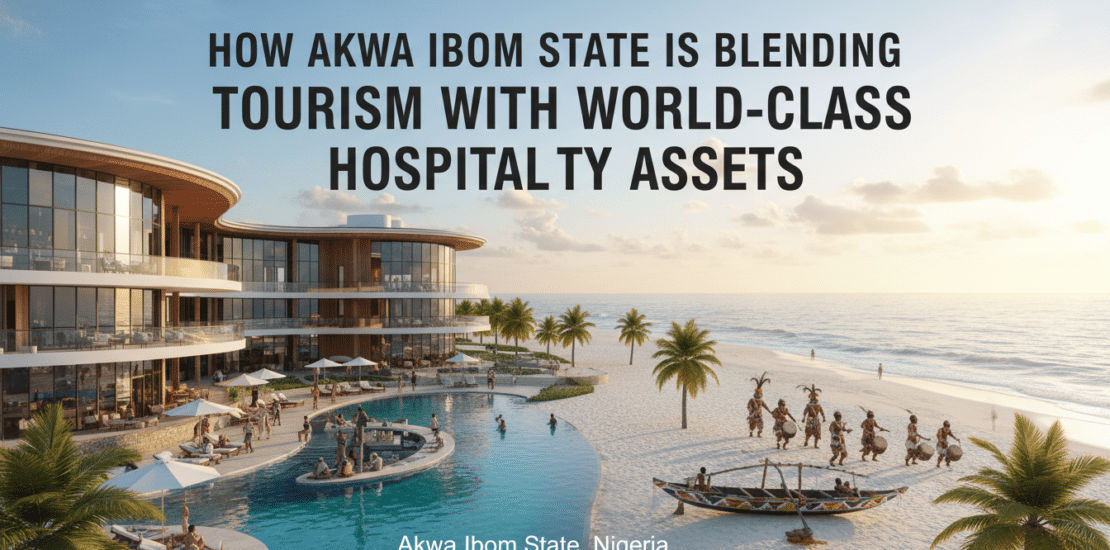
Akwa Ibom: Forging a Tourism Paradise Through Symbiotic Hospitality
Akwa Ibom State, nestled in Nigeria’s southeastern coastal region, is undergoing a remarkable transformation. It’s not just about exploiting natural resources; it’s about cultivating an identity as a premier destination, deftly blending its inherent tourism potential with world-class hospitality assets. This strategic vision, spearheaded by successive administrations, aims to diversify the state’s economy, create employment opportunities, and showcase the rich cultural heritage and natural beauty of Akwa Ibom to the world.
The ambition is clear: to become a haven for discerning travelers seeking authentic experiences coupled with luxurious comfort. This isn’t just about building hotels; it’s about fostering a comprehensive ecosystem where tourism and hospitality work in tandem to create unforgettable memories for visitors. This commitment is evident in the significant investments made in infrastructure, including roads, airports, and power supply, which are crucial for supporting the burgeoning tourism sector.
Unveiling the Tourist Treasures: A Canvas of Natural and Cultural Wonders
Akwa Ibom possesses a diverse range of tourist attractions waiting to be discovered. The state’s coastline stretches along the Atlantic Ocean, offering pristine beaches, mangrove forests, and opportunities for water sports. One prominent example is Ibeno Beach, arguably the longest sand beach in West Africa, offering miles of unspoiled coastline for relaxation, beach games, and exploration. The government is actively promoting these coastal assets, investing in infrastructure to improve accessibility and developing sustainable tourism practices to protect the environment.
Beyond the beaches, the state boasts a rich cultural tapestry. The Akwa Ibom people are known for their vibrant traditions, intricate crafts, and captivating festivals. The Ibibio, Annang, and Oron ethnic groups each contribute uniquely to the cultural landscape, offering visitors a diverse range of experiences.
-
Traditional Art and Craft: From the elaborate raffia work of the Annang people to the intricate wood carvings of the Ibibio, Akwa Ibom is a treasure trove of traditional art and craft. Local markets offer opportunities to purchase authentic souvenirs, supporting local artisans and preserving cultural heritage.
-
Festivals and Celebrations: The state hosts a variety of festivals throughout the year, showcasing its rich cultural heritage. These events offer a glimpse into the traditions, music, dance, and cuisine of Akwa Ibom. Notable festivals include the Ibibio Unity Day celebrations and the Ekpe masquerade festivals.
-
Historical Sites: Akwa Ibom also boasts historical sites that offer insights into the region’s past. The Oron Museum, for example, houses a collection of ancestral carvings and artifacts, providing a glimpse into the history and culture of the Oron people.
- Le Meridien Ibom Hotel & Golf Resort: While not intrinsically "natural," Le Meridien acts as a significant magnet. Its sprawling golf course and serene environment are a tourist attraction in themselves, showcasing the state’s commitment to providing leisure activities for visitors.
The government recognizes the importance of preserving these cultural assets and is actively working to promote cultural tourism. This includes supporting local artisans, organizing cultural festivals, and developing museums and historical sites.
Investing in Hospitality: Building a Foundation for World-Class Experiences
Recognizing the importance of hospitality in attracting and retaining tourists, Akwa Ibom State has made significant investments in developing world-class hospitality infrastructure. This includes:
-
Luxury Hotels and Resorts: The state boasts a growing number of luxury hotels and resorts designed to cater to discerning travelers. Le Meridien Ibom Hotel & Golf Resort, with its championship golf course and luxurious amenities, stands as a testament to the state’s commitment to providing world-class hospitality. Other hotels, such as the Four Points by Sheraton Ikot Ekpene and various independently owned establishments, are contributing to the growth of the hospitality sector. These hotels offer a range of amenities, including swimming pools, spas, restaurants serving international and local cuisine, and conference facilities.
-
Training and Development: Recognizing the importance of skilled personnel in the hospitality industry, the government is investing in training and development programs to equip locals with the necessary skills. This includes collaborating with hospitality schools and universities to offer specialized training programs in areas such as hotel management, culinary arts, and customer service. The aim is to create a pool of qualified professionals who can provide exceptional service to visitors.
-
Infrastructure Development: The state government recognizes that infrastructure is crucial for supporting the hospitality sector. Significant investments have been made in improving roads, power supply, and water supply. The completion of the Ibom International Airport has significantly improved accessibility to the state, making it easier for tourists to visit. The ongoing development of the Ibom Deep Sea Port is also expected to boost tourism and trade in the region.
- Encouraging Private Sector Investment: The government actively encourages private sector investment in the hospitality sector. This includes offering incentives such as tax breaks and land grants to attract investors. The government also works closely with the private sector to identify opportunities and address challenges facing the industry.
Synergy in Action: Linking Tourism and Hospitality for Sustainable Growth
The success of Akwa Ibom’s tourism strategy lies in its ability to seamlessly integrate tourism assets with world-class hospitality. This synergy is evident in several key areas:
-
Creating Integrated Tourism Packages: The government and private sector are working together to create integrated tourism packages that combine cultural experiences, natural attractions, and luxury accommodation. These packages are designed to appeal to a wide range of travelers, from those seeking adventure to those looking for relaxation and cultural immersion. For example, a package might include a visit to a traditional village, a tour of the mangrove forests, and a stay at a luxury hotel.
-
Promoting Sustainable Tourism Practices: Recognizing the importance of protecting the environment, the state is promoting sustainable tourism practices. This includes encouraging eco-friendly accommodation, supporting local communities, and promoting responsible waste management. The aim is to ensure that tourism benefits the local economy and preserves the environment for future generations.
-
Leveraging Technology: The state is leveraging technology to promote tourism and hospitality. This includes developing a tourism website and mobile app that provides information on attractions, accommodation, and events. The state is also using social media to reach a wider audience and promote its tourism offerings. Furthermore, hotels are encouraged to adopt modern technologies for reservations, guest management, and customer service, ensuring a seamless and efficient experience for visitors.
-
Community Engagement: The government recognizes the importance of involving local communities in the tourism development process. This includes providing training and employment opportunities for locals, supporting local businesses, and respecting local cultures. The aim is to ensure that tourism benefits local communities and contributes to their economic development. This manifests in initiatives supporting local artisans, promoting community-based tourism projects, and ensuring that tourism development respects cultural sensitivities.
- Branding and Marketing: A strong branding and marketing strategy is crucial for attracting tourists. Akwa Ibom State is actively promoting itself as a premier destination for tourism and hospitality. This includes participating in international tourism fairs, launching marketing campaigns in key target markets, and developing a strong brand identity that reflects the state’s unique offerings. The slogan "Land of Promise" aims to capture the spirit of progress and opportunity that defines Akwa Ibom.
Challenges and Opportunities: Navigating the Path to a Tourism Powerhouse
While Akwa Ibom has made significant progress in developing its tourism and hospitality sectors, challenges remain. These include:
- Security Concerns: Ensuring the safety and security of tourists is paramount. The government needs to continue to invest in security measures and work closely with law enforcement agencies to address any potential threats.
- Infrastructure Deficiencies: While infrastructure has improved significantly, further investment is needed to ensure reliable power supply, water supply, and transportation.
- Skill Gaps: Addressing the skill gaps in the hospitality industry requires ongoing training and development programs.
- Marketing and Promotion: Sustaining a robust marketing and promotion strategy is essential for attracting tourists and competing with other destinations.
Despite these challenges, Akwa Ibom has enormous potential to become a leading tourism destination in Nigeria and West Africa. The state’s rich cultural heritage, natural beauty, and commitment to developing world-class hospitality assets provide a strong foundation for growth. By addressing the challenges and capitalizing on the opportunities, Akwa Ibom can solidify its position as a tourism powerhouse and contribute significantly to the economic development of the region. The key lies in continued investment, strategic planning, and a collaborative approach involving the government, private sector, and local communities. The state’s unwavering commitment to blending tourism with exceptional hospitality assets is undeniably positioning Akwa Ibom as a rising star in the Nigerian tourism landscape.