
Investing in large scale poultry and livestock processing in the Ogun heartland
- Posted by: PSL
- Categories: BRICS News, Financial Management, Human Resources and Talent Management, International Business and Market Entry, Marketing and Sales, News Blog, Operations and Process Improvement, Organizational Development, Risk Management and Compliance, Strategy and Planning, Technology and Digital Transformation
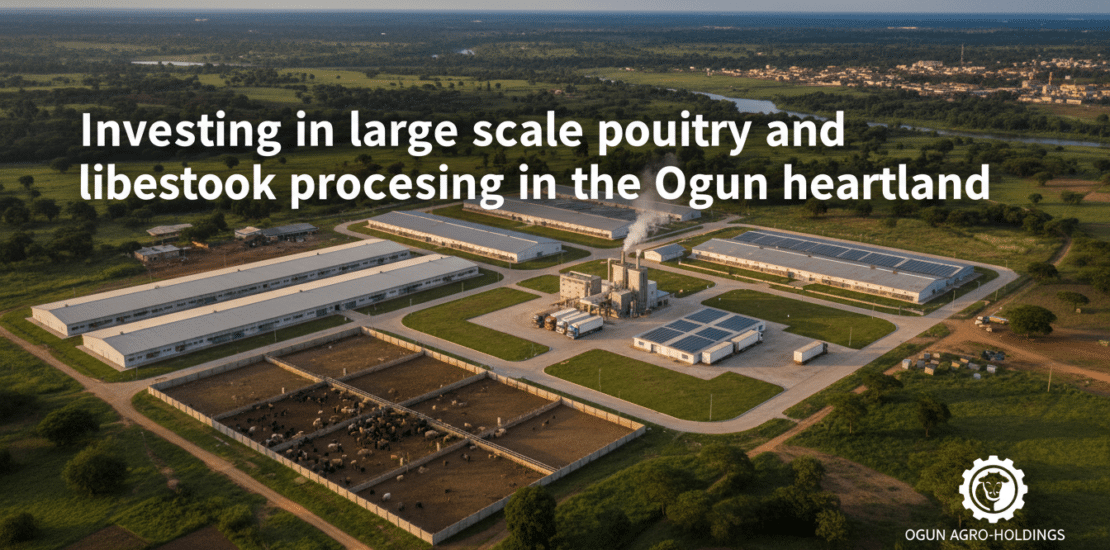
Investing in Large-Scale Poultry and Livestock Processing in the Ogun Heartland: A Fertile Ground for Growth
Ogun State, a state brimming with agricultural potential, often referred to as the "Gateway to Nigeria," presents a compelling case for investors seeking to capitalize on the growing demand for poultry and livestock products. Situated strategically near Lagos, the nation’s commercial hub, and possessing vast tracts of arable land, Ogun offers a confluence of factors that make it an ideal location for large-scale processing facilities focused on poultry and livestock. This article delves into the compelling reasons why investing in this sector within the Ogun heartland presents a significant opportunity for both domestic and international investors.
The Undeniable Demand: Fueling the Growth Engine
Nigeria’s burgeoning population, coupled with rising disposable incomes and a shift in dietary preferences towards protein-rich foods, is driving a significant increase in demand for poultry and livestock products. This demand is outpacing the current supply, creating a substantial market gap. Traditionally, supply has been met by small-scale farmers and processors, often relying on outdated technologies and limited infrastructure. This fragmented approach hinders efficiency, limits output, and compromises product quality, leaving a considerable void for large-scale, technologically advanced processing facilities to fill.
Poultry, being a relatively affordable and quick-to-produce source of protein, is experiencing particularly strong demand. Chicken meat and eggs are becoming increasingly common staples in Nigerian diets, particularly among the growing middle class. Similarly, the demand for beef, goat meat, and other livestock products is on the rise, spurred by urbanization and changing consumer habits.
Investing in large-scale processing facilities in Ogun can address this critical demand-supply imbalance. These facilities can leverage economies of scale, employing efficient processing techniques, advanced storage and distribution networks, and stringent quality control measures to deliver high-quality, affordable products to a wider market. This not only satisfies the growing consumer demand but also contributes to national food security and reduces reliance on imported poultry and livestock products.
Ogun State: The Ideal Geographic Advantage
Ogun State offers a unique combination of geographic and economic advantages that make it an attractive location for large-scale poultry and livestock processing investments:
-
Proximity to Lagos: Situated adjacent to Lagos, Nigeria’s economic powerhouse, Ogun State enjoys unparalleled access to a vast consumer market. Lagos represents a significant demand center for processed poultry and livestock products. The proximity allows for efficient distribution, reduced transportation costs, and enhanced market responsiveness. This strategic location translates into increased profitability and competitiveness for businesses operating within Ogun.
-
Abundant Arable Land: Ogun State boasts vast expanses of fertile land suitable for both livestock farming and the cultivation of feed crops. This reduces the reliance on external sourcing of raw materials, minimizing transportation costs and ensuring a consistent supply chain. Furthermore, investing in local feed production within Ogun can create a vertically integrated business model, further enhancing profitability and control over the entire value chain.
-
Strategic Infrastructure Development: The Ogun State government is actively investing in infrastructure development, including roads, electricity, and water supply, making it easier and more cost-effective to establish and operate businesses within the state. Ongoing initiatives to improve connectivity to Lagos and other major cities are further enhancing its appeal as a strategic investment location.
-
Business-Friendly Environment: The Ogun State government actively encourages and supports private sector investment through various incentives and policies. These include tax breaks, streamlined regulatory processes, and access to land for agricultural projects. The government’s commitment to creating a conducive business environment fosters investor confidence and reduces the bureaucratic hurdles often associated with establishing large-scale operations in developing economies.
- Skilled Labor Force: Ogun State possesses a growing pool of skilled labor, including agricultural graduates and experienced workers in the food processing industry. This provides a readily available workforce for processing facilities, reducing the need for extensive training and ensuring efficient operations. Furthermore, investing in training programs and collaborations with local educational institutions can further enhance the skills of the workforce, creating a highly productive and competitive labor pool.
Unlocking the Value Chain: Opportunities Beyond Processing
Investing in large-scale poultry and livestock processing in Ogun opens up a plethora of opportunities across the entire value chain:
-
Feed Production: The demand for high-quality animal feed is immense. Establishing feed mills within Ogun to supply the processing facilities and local farmers presents a significant opportunity. Utilizing locally sourced grains and other agricultural by-products can further reduce costs and promote sustainable agriculture.
-
Breeding and Hatchery Operations: Investing in breeding farms and hatcheries to supply the processing facilities with high-quality livestock and poultry breeds can significantly improve productivity and efficiency. This ensures a consistent supply of healthy animals and reduces reliance on external sourcing.
-
Cold Storage and Distribution: Efficient cold storage and distribution networks are crucial for preserving the quality of processed poultry and livestock products and ensuring their timely delivery to consumers. Investing in refrigerated trucks, cold storage facilities, and distribution centers within Ogun can address this critical infrastructure gap and enhance the competitiveness of the processing facilities.
-
Waste Management and By-Product Utilization: Large-scale processing generates significant amounts of waste. Investing in waste management technologies, such as biogas production and composting, can not only minimize environmental impact but also create valuable by-products that can be used as fertilizer or animal feed.
- Retail and Food Service: Establishing retail outlets and partnerships with food service businesses can ensure direct access to consumers and maximize profitability. This can involve setting up branded retail stores, supplying restaurants and hotels, and participating in online delivery platforms.
Challenges and Mitigation Strategies
While Ogun State offers significant advantages for poultry and livestock processing investments, it’s crucial to acknowledge and address the potential challenges:
-
Access to Finance: Securing adequate financing can be a significant hurdle for large-scale projects. Investors need to develop robust business plans and explore various funding options, including bank loans, private equity, and government grants.
-
Land Acquisition: Acquiring suitable land for processing facilities and related infrastructure can be a complex and time-consuming process. Investors should work closely with the Ogun State government and local communities to ensure a smooth and transparent land acquisition process.
-
Infrastructure Deficiencies: While Ogun State is actively investing in infrastructure development, certain areas may still lack adequate roads, electricity, and water supply. Investors should carefully assess the infrastructure needs of their projects and work with the government to address any deficiencies.
-
Security Concerns: Security risks, such as theft and vandalism, can pose a challenge to businesses operating in rural areas. Investors should implement robust security measures, including fencing, surveillance systems, and security personnel, to protect their assets.
- Price Volatility: Fluctuations in the prices of raw materials, such as feed grains, can impact the profitability of processing facilities. Investors should implement hedging strategies and diversify their sourcing options to mitigate the risk of price volatility.
Mitigating these challenges requires a proactive and strategic approach. This includes conducting thorough due diligence, engaging with local communities, building strong relationships with government agencies, and implementing robust risk management strategies.
Technological Advancement: A Key Differentiator
Investing in modern and efficient processing technologies is crucial for maximizing productivity, minimizing waste, and ensuring product quality. This includes:
-
Automated Processing Lines: Utilizing automated processing lines can significantly increase throughput and reduce labor costs. These systems can handle various tasks, such as slaughtering, evisceration, cutting, and packaging, with greater speed and precision.
-
Advanced Refrigeration and Cold Storage: Investing in advanced refrigeration and cold storage technologies is essential for preserving the quality and extending the shelf life of processed poultry and livestock products. This includes blast freezers, refrigerated trucks, and cold storage facilities with temperature monitoring systems.
-
Water Treatment and Waste Management Systems: Implementing efficient water treatment and waste management systems can minimize environmental impact and reduce operational costs. This includes technologies such as anaerobic digestion, wastewater treatment plants, and composting systems.
- Quality Control Systems: Utilizing advanced quality control systems, such as HACCP (Hazard Analysis and Critical Control Points), can ensure that processed poultry and livestock products meet the highest standards of safety and quality. This includes regular testing for contaminants, temperature monitoring, and traceability systems.
By embracing technological advancements, investors can create highly efficient and competitive processing facilities that deliver high-quality products to consumers while minimizing environmental impact.
The opportunity to invest in large-scale poultry and livestock processing in the Ogun heartland is ripe for the taking. With a growing demand for protein, a strategic geographic location, a business-friendly environment, and a supportive government, Ogun State offers a fertile ground for growth and profitability. By addressing the challenges proactively and embracing technological advancements, investors can unlock the vast potential of this sector and contribute to Nigeria’s food security and economic development.