
Why pharmaceutical manufacturing is migrating to the Ogun State special zones
- Posted by: PSL
- Categories: BRICS News, Financial Management, Human Resources and Talent Management, International Business and Market Entry, Marketing and Sales, News Blog, Operations and Process Improvement, Organizational Development, Risk Management and Compliance, Strategy and Planning, Technology and Digital Transformation
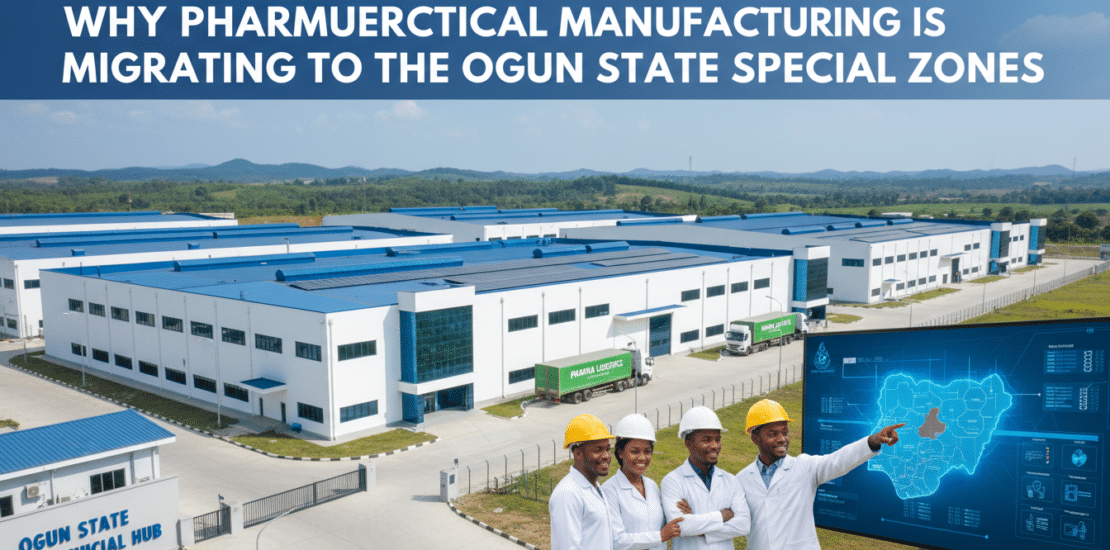
Why Pharmaceutical Manufacturing is Migrating to the Ogun State Special Zones
Ogun State, Nigeria, once primarily known for its agricultural output and proximity to Lagos, is rapidly transforming into a burgeoning hub for pharmaceutical manufacturing. A significant driver of this transformation is the establishment and aggressive promotion of special economic zones (SEZs) within the state. These zones, carefully designed to offer a conducive business environment, are attracting both domestic and international pharmaceutical companies, fueling a migration that promises significant economic and healthcare benefits for Nigeria. This article delves into the multifaceted reasons behind this pharmaceutical industry shift, examining the incentives offered by these zones, the strategic location advantages, the growing domestic market demand, the government support initiatives, and the potential challenges that still need to be addressed to ensure the sustainable growth of this sector.
Incentives Offered by the Special Economic Zones: A Powerful Magnet
The primary allure of Ogun State’s special economic zones lies in the comprehensive package of incentives meticulously crafted to minimize operational costs and maximize profitability for pharmaceutical manufacturers. These incentives target various aspects of the business, from initial setup to long-term operations, making the zones exceptionally attractive compared to establishing facilities elsewhere in Nigeria.
-
Tax Exemptions and Holidays: A cornerstone of the incentive package is the provision of tax exemptions and tax holidays. Companies operating within the zones often benefit from a complete or partial exemption from corporate income tax for a specified period, typically ranging from three to five years. This significantly reduces the initial financial burden on newly established pharmaceutical manufacturers, allowing them to reinvest profits into expansion, research and development, and improved manufacturing processes. Furthermore, import duties on raw materials, machinery, and equipment used in pharmaceutical production are often waived, leading to substantial cost savings. This reduction in import-related expenses is particularly crucial for pharmaceutical companies that rely on specialized ingredients and equipment sourced from international markets.
-
Simplified Regulatory Procedures and One-Stop Shop: Navigating the complex web of regulatory requirements in Nigeria can be a daunting task for businesses. Recognizing this challenge, the Ogun State government has streamlined regulatory procedures within the SEZs, creating a "one-stop shop" that simplifies the process of obtaining permits, licenses, and approvals. This streamlined approach reduces bureaucratic hurdles and delays, enabling pharmaceutical companies to commence operations more quickly and efficiently. The one-stop shop provides a centralized point of contact for all regulatory matters, eliminating the need for companies to navigate multiple government agencies and departments. This simplification not only saves time and resources but also enhances transparency and predictability in the regulatory environment.
-
Land Acquisition and Infrastructure Development Support: Securing suitable land for pharmaceutical manufacturing facilities can be a major obstacle, particularly in urban areas with high land costs. The Ogun State government addresses this challenge by providing readily available and affordable land within the SEZs. Furthermore, the government actively invests in infrastructure development within these zones, ensuring access to essential utilities such as reliable electricity, water supply, and well-maintained road networks. This commitment to infrastructure development reduces the operational risks associated with inadequate utilities and transportation bottlenecks, making the SEZs a more attractive investment destination. Some SEZs even offer pre-built facilities or customizable factory shells, further reducing the upfront investment required for pharmaceutical companies.
-
Access to Skilled Labor and Training Programs: The availability of a skilled workforce is critical for the success of any manufacturing operation. Recognizing this, the Ogun State government has implemented training programs designed to equip local residents with the skills required for employment in the pharmaceutical industry. These programs focus on areas such as pharmaceutical manufacturing techniques, quality control, and regulatory compliance. By providing access to a pool of skilled labor, the government helps pharmaceutical companies reduce recruitment costs and improve operational efficiency. In addition, some SEZs offer partnerships with local universities and technical colleges to provide specialized training and research opportunities.
- Repatriation of Profits and Foreign Exchange Facilitation: To attract foreign investment, the Ogun State government allows for the free repatriation of profits and capital earned by companies operating within the SEZs. This provides investors with the assurance that they can readily access and transfer their earnings back to their home countries. Furthermore, the government facilitates access to foreign exchange for companies that need to import raw materials, equipment, or technology. These measures address concerns about foreign exchange volatility and ensure that pharmaceutical companies can smoothly conduct international transactions.
Strategic Location Advantages: Proximity to Key Markets and Ports
Beyond the attractive incentives, Ogun State’s strategic location significantly contributes to its appeal as a pharmaceutical manufacturing hub. Its proximity to Lagos, the economic capital of Nigeria, and its accessibility to major ports offer substantial logistical and market access advantages.
-
Proximity to Lagos: A Gateway to the Nigerian Market: Lagos, with its vast population and thriving economy, represents a significant market opportunity for pharmaceutical companies. Ogun State’s close proximity to Lagos allows manufacturers to readily access this market, reducing transportation costs and delivery times. This geographical advantage is particularly important for pharmaceutical products that require temperature-controlled storage and transportation. Manufacturers can efficiently distribute their products to pharmacies, hospitals, and other healthcare facilities in Lagos and its surrounding areas. Furthermore, the proximity to Lagos provides access to a diverse range of suppliers, distributors, and other business partners.
-
Accessibility to Major Ports: Facilitating Import and Export: Ogun State’s accessibility to major ports such as the Apapa and Tin Can Island ports in Lagos is another key advantage. These ports serve as gateways for the import of raw materials, machinery, and equipment required for pharmaceutical production, as well as for the export of finished products to other African countries and beyond. The efficient port infrastructure and streamlined customs procedures facilitate the smooth flow of goods, reducing delays and costs associated with international trade. This accessibility is particularly crucial for pharmaceutical companies that rely on imported ingredients and equipment or that plan to export their products to regional markets.
- Developing Infrastructure: Connectivity and Transportation: While Ogun State has historically relied on Lagos for port access, the state government is actively investing in developing its own internal infrastructure to improve connectivity and transportation within the state and to further reduce reliance on Lagos. This includes improving road networks, expanding railway lines, and developing inland container depots. These infrastructure improvements will further enhance the logistical advantages of Ogun State as a pharmaceutical manufacturing hub, facilitating the efficient movement of goods and reducing transportation costs. The construction of new airports and expansion of existing ones are also being considered to improve air connectivity and facilitate the transport of time-sensitive pharmaceutical products.
Growing Domestic Market Demand: Addressing Healthcare Needs and Import Substitution
The growing demand for pharmaceutical products in Nigeria is a significant driver behind the migration of pharmaceutical manufacturing to Ogun State. This demand is fueled by several factors, including a growing population, increasing healthcare awareness, and government efforts to improve healthcare access.
-
Expanding Healthcare Needs: A Growing Population and Disease Burden: Nigeria has a large and rapidly growing population, which is driving up the demand for healthcare services and pharmaceutical products. The country also faces a significant burden of infectious and non-communicable diseases, further increasing the need for access to affordable and quality medicines. This growing healthcare need presents a significant opportunity for pharmaceutical manufacturers operating within Nigeria. By establishing manufacturing facilities in Ogun State, pharmaceutical companies can help meet this demand and improve access to essential medicines for the Nigerian population.
-
Import Substitution: Reducing Reliance on Foreign Imports: Nigeria currently relies heavily on imported pharmaceutical products, which makes the country vulnerable to supply chain disruptions and currency fluctuations. The government is actively promoting import substitution, encouraging domestic pharmaceutical manufacturing to reduce reliance on foreign imports and strengthen the country’s healthcare security. By establishing manufacturing facilities in Ogun State, pharmaceutical companies can contribute to this import substitution effort and help reduce Nigeria’s dependence on foreign suppliers. This not only strengthens the local economy but also improves access to affordable medicines for the Nigerian population.
- Government Initiatives: Promoting Local Production and Healthcare Access: The Nigerian government has implemented several initiatives to promote local pharmaceutical production and improve healthcare access. These initiatives include preferential procurement policies for locally manufactured medicines, tax incentives for pharmaceutical companies, and programs to support the development of the pharmaceutical industry. These government initiatives create a supportive environment for pharmaceutical manufacturers operating within Nigeria, encouraging them to invest in local production and expand their operations. By establishing manufacturing facilities in Ogun State, pharmaceutical companies can benefit from these government incentives and contribute to the growth of the local pharmaceutical industry.
Government Support Initiatives: Fostering a Conducive Business Environment
The Ogun State government has actively championed the development of the pharmaceutical industry within its borders, implementing various support initiatives to create a conducive business environment for manufacturers. These initiatives go beyond the direct incentives offered within the SEZs, demonstrating a long-term commitment to fostering a thriving pharmaceutical sector.
-
Partnerships with International Organizations and Development Agencies: The Ogun State government has forged partnerships with international organizations and development agencies to attract investment and support the development of the pharmaceutical industry. These partnerships provide access to funding, technical expertise, and best practices from around the world. For example, the government may collaborate with organizations such as the World Bank, the United Nations Development Programme (UNDP), and the World Health Organization (WHO) to implement programs that support pharmaceutical manufacturing, improve quality control, and promote access to essential medicines.
-
Investment Promotion and Marketing Campaigns: The Ogun State government actively promotes the state as an attractive investment destination for pharmaceutical companies through targeted marketing campaigns and participation in international trade fairs and conferences. These campaigns highlight the benefits of investing in Ogun State, including the incentives offered by the SEZs, the strategic location advantages, and the government’s commitment to supporting the pharmaceutical industry. The government also organizes investment promotion events to showcase the opportunities available in Ogun State and to connect pharmaceutical companies with potential partners and investors.
- Creation of a Pharmaceutical Cluster: Fostering Collaboration and Innovation: The Ogun State government is actively working to create a pharmaceutical cluster within the SEZs, bringing together pharmaceutical manufacturers, research institutions, and other stakeholders to foster collaboration and innovation. This cluster provides a platform for companies to share knowledge, resources, and best practices, promoting the development of new products and technologies. The cluster also facilitates access to specialized services such as contract manufacturing, research and development, and regulatory consulting. By creating a vibrant pharmaceutical cluster, the Ogun State government aims to attract even more investment and talent to the state.
Potential Challenges and Mitigation Strategies
While the migration of pharmaceutical manufacturing to Ogun State’s special zones presents significant opportunities, it is essential to acknowledge the potential challenges and develop strategies to mitigate them. These challenges include infrastructure limitations, skilled labor shortages, regulatory compliance complexities, and security concerns.
-
Infrastructure Limitations: While the Ogun State government is investing in infrastructure development, challenges such as unreliable electricity supply, inadequate water infrastructure, and traffic congestion can still pose obstacles for pharmaceutical manufacturers. Mitigation strategies include investing in renewable energy sources, improving water treatment and distribution systems, and implementing traffic management measures. Public-private partnerships can play a crucial role in addressing these infrastructure limitations.
-
Skilled Labor Shortages: Although the Ogun State government is implementing training programs to address the skilled labor shortage, the demand for qualified professionals in areas such as pharmaceutical manufacturing, quality control, and regulatory affairs may still exceed the supply. Mitigation strategies include strengthening vocational training programs, establishing partnerships with universities and technical colleges, and attracting experienced professionals from other parts of Nigeria and abroad.
-
Regulatory Compliance Complexities: While the Ogun State government has streamlined regulatory procedures within the SEZs, navigating the overall regulatory landscape in Nigeria can still be challenging for pharmaceutical manufacturers. Mitigation strategies include providing clear and consistent regulatory guidance, simplifying permit application processes, and promoting transparency in regulatory decision-making. Collaboration between the government, industry stakeholders, and regulatory agencies is essential to ensure a predictable and efficient regulatory environment.
- Security Concerns: Security concerns such as theft, vandalism, and kidnapping can pose a threat to pharmaceutical manufacturing operations. Mitigation strategies include strengthening security measures within the SEZs, enhancing cooperation between law enforcement agencies and the private sector, and implementing community policing initiatives. Creating a safe and secure environment is essential to attract and retain investment in the pharmaceutical industry.