

The Oborevwori Administrationʼs Plan to Revitalize the Warri Port Economy
- Posted by: PSL
- Categories: BRICS News, Financial Management, Human Resources and Talent Management, International Business and Market Entry, Marketing and Sales, News Blog, Operations and Process Improvement, Organizational Development, Risk Management and Compliance, Strategy and Planning, Technology and Digital Transformation
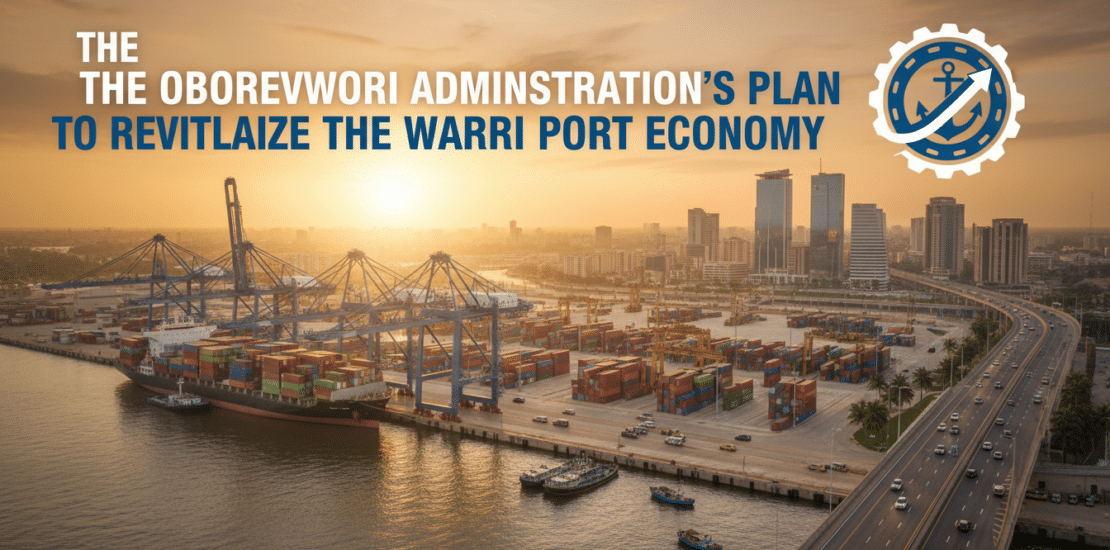
The Oborevwori Administration’s Plan to Revitalize the Warri Port Economy
Delta State, a vibrant hub of economic activity in Nigeria’s South-South region, holds immense potential for growth and development. At the heart of this potential lies Warri, a city historically significant for its petroleum industry and its strategic port location. However, the Warri Port, once a bustling center of trade and commerce, has experienced a period of decline, impacting the overall economy of the city and the state. Recognizing this challenge and the immense opportunities it presents, the Governor Sheriff Oborevwori administration has placed the revitalization of the Warri Port economy as a key priority. This comprehensive plan encompasses infrastructural development, policy reforms, security enhancements, and strategic partnerships, all geared towards unlocking the port’s full potential and transforming Warri into a thriving economic powerhouse once again.
A Legacy of Neglect and the Imperative for Revival
The Warri Port, strategically located on the Warri River, possesses natural advantages for facilitating trade, including its proximity to key oil and gas installations and its connection to the Atlantic Ocean. In its prime, the port handled a significant volume of cargo, contributing significantly to the local and national economies. However, factors such as inadequate infrastructure, bureaucratic bottlenecks, insecurity, and inconsistent government policies led to a decline in its operational efficiency and attractiveness to businesses. Consequently, cargo traffic dwindled, jobs were lost, and the overall economic vitality of Warri suffered.
Recognizing the dire consequences of this neglect, Governor Oborevwori and his administration have articulated a clear vision for the port’s revival, recognizing that a functional and thriving Warri Port is critical for unlocking the economic potential of the region. The administration understands that revitalizing the port will not only create jobs and boost revenue but also attract investment, stimulate related industries, and improve the overall quality of life for the people of Delta State. This understanding has led to the development of a multi-faceted approach designed to address the root causes of the port’s decline and pave the way for its sustainable growth.
Infrastructural Development: Laying the Foundation for Growth
One of the cornerstones of the Oborevwori administration‘s plan is a massive infrastructural development program aimed at modernizing the port’s facilities and enhancing its operational capacity. This program encompasses a range of projects designed to address critical infrastructure gaps and bring the Warri Port up to international standards.
-
Dredging and Channel Expansion: A critical element of the revitalization plan is the dredging of the Warri River channel. Over time, siltation has reduced the draft of the channel, limiting the size of vessels that can access the port. The Oborevwori administration understands that deepening and widening the channel is essential for attracting larger vessels and increasing cargo volume. This dredging project is not simply a one-off undertaking but is envisioned as a continuous maintenance program to ensure the channel remains navigable. This commitment to continuous dredging demonstrates the administration’s long-term vision for the port’s sustainability.
-
Rehabilitation and Modernization of Existing Infrastructure: The port’s existing infrastructure, including wharves, berths, warehouses, and cargo handling equipment, is in dire need of rehabilitation and modernization. The administration is committed to investing in the repair and upgrade of these facilities to enhance their efficiency and capacity. This includes the installation of modern cargo handling equipment, such as cranes, forklifts, and container handlers, to expedite cargo processing and reduce turnaround time. The plan also includes the upgrade of the port’s power supply, water supply, and communication systems to ensure reliable and efficient operations.
-
Construction of New Infrastructure: Recognizing the need to expand the port’s capacity to handle increased cargo traffic, the Oborevwori administration plans to construct new infrastructure, including additional berths, warehouses, and container terminals. This expansion will not only increase the port’s handling capacity but also create new opportunities for businesses and investors. The construction of a dedicated container terminal is particularly important, as it will enable the port to compete effectively with other ports in the region for containerized cargo.
- Road and Rail Connectivity: The efficiency of a port is heavily reliant on its connectivity to inland transportation networks. The Oborevwori administration recognizes the importance of improving road and rail connectivity to the Warri Port to facilitate the smooth and efficient movement of cargo to and from the port. The plan includes the rehabilitation of existing roads leading to the port and the construction of new roads to improve access. Furthermore, the administration is committed to working with the federal government to ensure the rehabilitation and modernization of the rail line connecting Warri to other parts of the country. This will provide a more cost-effective and efficient means of transporting cargo, reducing reliance on road transportation and alleviating traffic congestion.
Policy Reforms: Creating a Conducive Business Environment
In addition to infrastructural development, the Oborevwori administration recognizes the need for policy reforms to create a more conducive business environment at the Warri Port. This involves streamlining bureaucratic processes, reducing corruption, and promoting transparency and accountability in port operations.
-
Streamlining Customs Procedures: Lengthy and cumbersome customs procedures have long been a major impediment to trade at the Warri Port. The Oborevwori administration is committed to working with the Nigeria Customs Service to streamline these procedures and reduce the time it takes to clear goods through the port. This includes the implementation of electronic customs clearance systems and the reduction of unnecessary paperwork. The goal is to create a more efficient and transparent customs clearance process that reduces delays and costs for businesses.
-
Reducing Corruption: Corruption has been a persistent problem at the Warri Port, contributing to increased costs and reduced efficiency. The Oborevwori administration is committed to tackling corruption head-on through a combination of measures, including strengthening oversight mechanisms, promoting transparency in port operations, and prosecuting corrupt officials. The administration also plans to implement whistleblowing policies to encourage port users to report corrupt practices.
-
Promoting Transparency and Accountability: The Oborevwori administration believes that transparency and accountability are essential for building trust and confidence in the port. The administration is committed to making information about port operations, including tariffs, fees, and procedures, publicly available. The administration also plans to establish a grievance mechanism for port users to lodge complaints and seek redress.
- Harmonizing Port Charges: Inconsistent and often exorbitant port charges have been a major deterrent to businesses using the Warri Port. The Oborevwori administration plans to work with stakeholders to harmonize port charges and ensure that they are fair and competitive. This will involve reviewing existing port charges and implementing a transparent and predictable pricing structure.
Security Enhancements: Ensuring Safety and Security
Security is a paramount concern at the Warri Port. The safety and security of cargo, personnel, and vessels are essential for attracting businesses and ensuring the smooth flow of trade. The Oborevwori administration is committed to strengthening security at the port through a combination of measures, including:
-
Increased Security Patrols: The administration plans to increase security patrols both on land and in the waterways surrounding the port. This will involve deploying more security personnel and providing them with the necessary equipment and training to effectively patrol the port and its environs.
-
Installation of Security Infrastructure: The administration plans to invest in the installation of security infrastructure, such as CCTV cameras, perimeter fencing, and access control systems. These measures will help to deter criminal activity and improve the port’s overall security posture.
-
Collaboration with Security Agencies: The administration is committed to working closely with the Nigerian Navy, the Nigerian Police Force, and other security agencies to ensure the safety and security of the Warri Port. This collaboration will involve sharing intelligence, coordinating security operations, and conducting joint training exercises.
- Community Engagement: The administration recognizes that community engagement is essential for maintaining security at the port. The administration plans to work with local communities to address issues that contribute to insecurity, such as unemployment and poverty. This will involve creating job opportunities for local residents and investing in community development projects.
Strategic Partnerships: Leveraging Expertise and Resources
The Oborevwori administration recognizes that revitalizing the Warri Port economy is a complex undertaking that requires collaboration and partnerships. The administration is committed to forging strategic partnerships with both public and private sector stakeholders to leverage expertise and resources.
-
Collaboration with the Federal Government: The administration understands that the federal government plays a critical role in the development of the Warri Port. The administration is committed to working closely with the federal government to secure funding for infrastructural development projects, streamline customs procedures, and improve security at the port.
-
Public-Private Partnerships (PPPs): The administration plans to utilize public-private partnerships (PPPs) to attract private sector investment and expertise to the Warri Port. PPPs can be used to finance the construction of new infrastructure, the rehabilitation of existing facilities, and the provision of port services.
-
Engagement with the Private Sector: The administration is committed to engaging with the private sector to understand their needs and concerns and to create a business-friendly environment at the Warri Port. This will involve conducting regular consultations with port users, providing incentives for businesses to invest in the port, and promoting the port as a destination for investment.
- Collaboration with International Organizations: The administration plans to collaborate with international organizations, such as the World Bank and the International Maritime Organization (IMO), to access technical assistance and best practices in port development and management. This collaboration will help to ensure that the Warri Port is developed in accordance with international standards and best practices.
The Oborevwori administration’s plan to revitalize the Warri Port economy is a bold and ambitious undertaking. By addressing the critical challenges facing the port and implementing a comprehensive set of reforms, the administration is laying the foundation for a sustainable and prosperous future for Warri and the entire Delta State. The plan’s success hinges on the sustained commitment of the government, the active participation of the private sector, and the support of the local communities. If implemented effectively, this plan has the potential to transform Warri into a major economic hub and a gateway to the Nigerian economy.
Related Posts
 Navigating the Investment Incentives Offered by the Oborevwori Administration
 The growth of aviation and hospitality services in the Rivers State capital
 How Governor Oborevwori is Championing Public-Private Partnerships in the South-South
 Investing in the petrochemical value chain within the Port Harcourt axis
 Scaling healthcare delivery through private hospital chains in Asaba and Warri
 Why institutional investors are eyeing Warri for midstream petroleum infrastructure
 Deciphering the Strategy Behind Chinese Global Supply Chain Dominance
 Transforming Nigeria Economy Through Strategic Farm Investments