

The growth of aviation and hospitality services in the Rivers State capital
- Posted by: PSL
- Categories: BRICS News, Financial Management, Human Resources and Talent Management, International Business and Market Entry, Marketing and Sales, News Blog, Operations and Process Improvement, Organizational Development, Risk Management and Compliance, Strategy and Planning, Technology and Digital Transformation
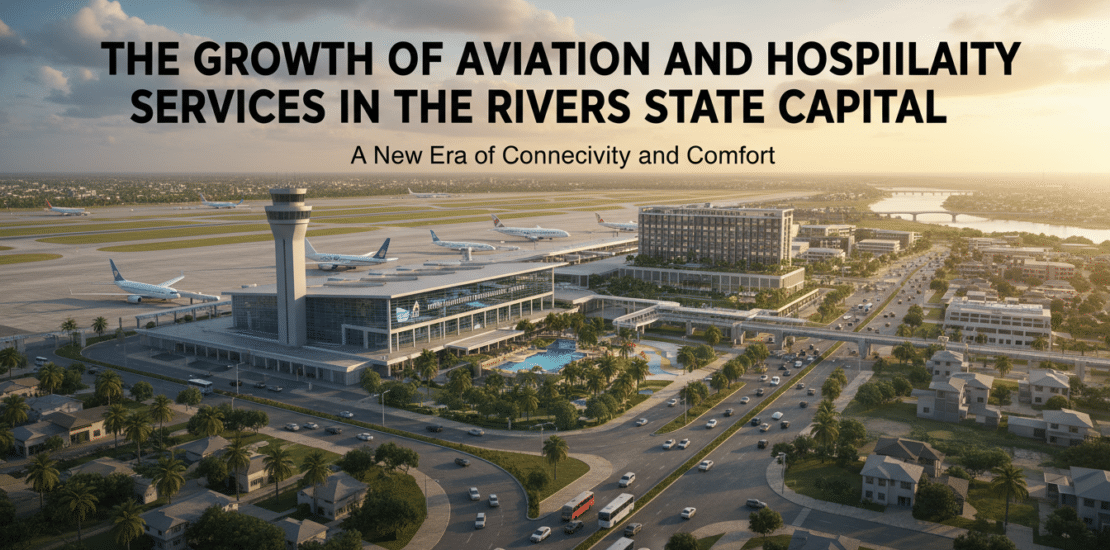
The Growth of Aviation and Hospitality Services in the Rivers State Capital: A Tale of Economic Diversification and Growing Demand
Port Harcourt, the capital of Rivers State, Nigeria, once primarily known for its oil and gas industry, is experiencing a significant transformation, marked by the burgeoning growth of its aviation and hospitality sectors. This growth is not merely a superficial trend, but a reflection of underlying economic diversification, increasing business activity, and a rising demand for tourism and leisure services. Analyzing the interplay of factors contributing to this dynamic shift provides valuable insights into the evolving economic landscape of the state and the opportunities it presents.
The Ascending Trajectory of Aviation:
The aviation sector in Port Harcourt has witnessed considerable expansion in recent years, driven by a complex interplay of factors:
-
Increased Business Travel: Rivers State remains a significant economic hub, albeit increasingly diversifying. Beyond oil and gas, industries like agriculture, manufacturing, construction, and technology are steadily growing, requiring frequent travel to and from Port Harcourt for business meetings, project management, and consultations. This increase in business activity directly translates to a higher demand for air travel.
-
Expanding Air Connectivity: The Port Harcourt International Airport (PHIA), while facing its own set of challenges in the past, has undergone significant upgrades and expansions in recent years. These improvements have not only enhanced the airport’s capacity but have also attracted more domestic and international airlines to operate flights to and from the city. The enhanced connectivity has made Port Harcourt more accessible, boosting both business and leisure travel. The addition of new routes, particularly to underserved domestic destinations, has broadened the airport’s catchment area and stimulated demand.
-
Government Initiatives and Investments: The Rivers State government has actively promoted the development of the aviation sector through various initiatives and investments. This includes infrastructure improvements at PHIA, support for local airlines, and the creation of a more favorable regulatory environment for aviation businesses. The government recognizes the crucial role of aviation in facilitating economic growth and attracting investment, and its proactive approach has contributed significantly to the sector’s expansion.
-
Rise of Domestic Airlines: The Nigerian aviation landscape has witnessed the emergence of several strong domestic airlines competing for market share. These airlines have aggressively expanded their networks, offering more frequent and affordable flights to and from Port Harcourt. This increased competition has not only benefited consumers through lower fares but has also stimulated overall demand for air travel. The ability to hop on a flight to Lagos or Abuja at a relatively reasonable price has become a more viable option for many, contributing to the growth of the sector.
- Cargo Transportation: Beyond passenger traffic, the aviation sector in Port Harcourt is also playing an increasingly important role in cargo transportation. The city serves as a major distribution center for goods imported through its seaports, and air cargo provides a faster and more efficient means of transporting time-sensitive or high-value goods to other parts of the country and beyond. This demand for air cargo services is further fueled by the growth of e-commerce and the need for rapid delivery of goods.
Challenges within Aviation:
Despite the growth, the aviation sector in Port Harcourt faces several challenges that need to be addressed to ensure its continued and sustainable development:
-
Infrastructure Deficiencies: While PHIA has undergone improvements, further upgrades are still needed to meet the growing demand and to ensure it can handle larger aircraft and a greater volume of passengers and cargo. Issues such as runway maintenance, inadequate parking space, and outdated terminal facilities need to be addressed to enhance the airport’s efficiency and attractiveness.
-
High Operating Costs: The cost of aviation fuel, airport charges, and other operating expenses in Nigeria remain relatively high, putting a strain on airlines’ profitability. This can lead to higher airfares, which can dampen demand and limit the growth potential of the sector. Government policies aimed at reducing these costs would be beneficial.
-
Security Concerns: Security remains a major concern for the aviation sector in Nigeria, and PHIA is no exception. Enhanced security measures are needed to protect passengers, cargo, and airport infrastructure from potential threats. This includes investing in advanced security technology, improving security personnel training, and strengthening collaboration with law enforcement agencies.
- Regulatory Issues: The regulatory environment for aviation in Nigeria can be complex and cumbersome. Streamlining regulations and ensuring consistent enforcement would create a more level playing field for airlines and other aviation businesses, fostering greater competition and investment.
The Flourishing Hospitality Sector:
Parallel to the aviation boom, Port Harcourt’s hospitality sector is also experiencing significant growth, mirroring the city’s increasing economic activity and attractiveness as a destination.
-
Increased Demand for Accommodation: The rise in business and leisure travel has directly translated to a higher demand for accommodation in Port Harcourt. This demand is being met by the construction of new hotels, guesthouses, and serviced apartments, catering to a wide range of budgets and preferences.
-
Investment in Luxury Hotels: Several international hotel chains have established a presence in Port Harcourt in recent years, attracted by the city’s growing economic potential and the increasing demand for high-quality accommodation. These luxury hotels offer world-class amenities, catering to discerning travelers and providing a boost to the city’s image as a modern and sophisticated destination.
-
Growth of Local Hospitality Businesses: Alongside international chains, local entrepreneurs are also investing in the hospitality sector, establishing hotels, restaurants, and entertainment venues that cater to the local population and visitors alike. This growth of local businesses is creating employment opportunities and contributing to the diversification of the city’s economy.
-
Conferences and Events: Port Harcourt is increasingly becoming a popular destination for conferences, exhibitions, and other events. The presence of modern conference facilities and a growing number of hotels with meeting spaces is attracting organizers to host their events in the city, further boosting the hospitality sector.
- Rise of Restaurants and Entertainment Venues: The growing middle class in Port Harcourt is driving demand for a wider range of dining and entertainment options. This has led to a proliferation of restaurants, cafes, bars, and nightclubs, catering to diverse tastes and preferences. The city is becoming a vibrant culinary hub, offering a variety of cuisines and dining experiences.
Challenges within Hospitality:
Despite its growth, the hospitality sector in Port Harcourt faces its own set of challenges:
-
Security Concerns: As with aviation, security remains a major concern for the hospitality sector in Port Harcourt. Hotels and other hospitality establishments need to invest in robust security measures to protect their guests and property from potential threats.
-
Infrastructure Deficiencies: Power outages, water shortages, and inadequate transportation infrastructure can negatively impact the quality of service provided by hotels and restaurants. Addressing these infrastructure deficiencies is crucial for the continued growth and success of the hospitality sector.
-
Skilled Labor Shortage: There is a shortage of skilled labor in the hospitality sector in Port Harcourt. Training programs and initiatives are needed to equip local residents with the skills and knowledge required to work in hotels, restaurants, and other hospitality establishments.
- Competition: The increasing number of hotels and restaurants in Port Harcourt is creating a more competitive environment. Hospitality businesses need to differentiate themselves by offering unique experiences, providing exceptional customer service, and adopting innovative marketing strategies.
The Interconnectedness of Aviation and Hospitality:
The growth of the aviation and hospitality sectors in Port Harcourt is not happening in isolation. The two sectors are closely interconnected and mutually reinforcing. Increased air connectivity drives demand for accommodation and other hospitality services, while the availability of high-quality hotels and restaurants makes Port Harcourt a more attractive destination for business and leisure travelers.
Impact on the Rivers State Economy:
The growth of the aviation and hospitality sectors is having a significant impact on the Rivers State economy:
-
Job Creation: Both sectors are creating numerous job opportunities for local residents, contributing to reducing unemployment and poverty.
-
Increased Revenue Generation: The aviation and hospitality sectors are generating significant revenue for the state government through taxes, levies, and other fees.
-
Diversification of the Economy: The growth of these sectors is contributing to the diversification of the Rivers State economy, reducing its reliance on the oil and gas industry.
- Improved Image: The development of modern aviation and hospitality infrastructure is improving the image of Port Harcourt and making it a more attractive destination for investment and tourism.
The Future Outlook:
The future outlook for the aviation and hospitality sectors in Port Harcourt is positive, with continued growth expected in the coming years. This growth will be driven by factors such as the increasing economic activity in Rivers State, the expanding middle class, and the growing demand for tourism and leisure services. However, to fully realize the potential of these sectors, it is essential to address the challenges they face and to create a more favorable environment for investment and growth. This includes investing in infrastructure, improving security, streamlining regulations, and promoting skills development. The Rivers State government has a crucial role to play in creating a conducive environment for the continued growth of the aviation and hospitality sectors, ensuring that they contribute to the state’s economic development and prosperity. A focus on sustainable development and responsible tourism will also be essential to ensure that the growth of these sectors benefits the local community and preserves the environment. Continued collaboration between the government, private sector, and local communities will be key to unlocking the full potential of the aviation and hospitality sectors in Port Harcourt. The city is on the cusp of becoming a major economic and tourism hub in Nigeria, and the continued growth of its aviation and hospitality sectors will play a pivotal role in achieving this vision.
Related Posts
 Why Rivers State is the strategic base for offshore oil and gas services
 The Role of Private Capital in Expanding Delta Stateʼs Urban Renewal Projects
 From Cassava to Exports How Delta State is Supporting Agro-Industrialists
 How Akwa Ibom State is blending tourism with world class hospitality assets
 Scaling healthcare infrastructure to serve the Rivers State industrial workforce
 How Rivers State maritime infrastructure supports global commodity trading
 Investing in the premium hospitality and diplomatic service sector in Abuja
 The growth potential of the Abia State trade and commerce ecosystem