

The potential for hydro power investments in the Kaduna State energy mix
- Posted by: PSL
- Categories: BRICS News, Financial Management, Human Resources and Talent Management, International Business and Market Entry, Marketing and Sales, News Blog, Operations and Process Improvement, Organizational Development, Risk Management and Compliance, Strategy and Planning, Technology and Digital Transformation
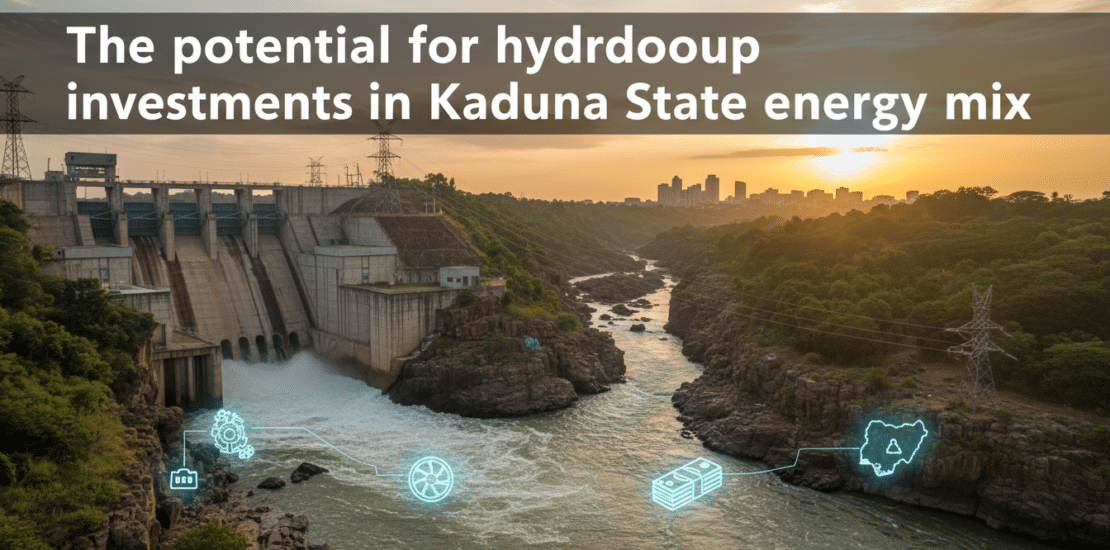
The Potential for Hydro Power Investments in the Kaduna State Energy Mix
Kaduna State, a dynamic and strategically located state in Nigeria, faces a familiar challenge: inadequate and unreliable power supply. This constraint significantly hampers economic growth, stifles industrial activity, and impacts the quality of life for its residents. While the national grid, largely dependent on thermal power plants, remains the primary source of electricity, its capacity is insufficient to meet the growing demands of the state. Against this backdrop, the diversification of Kaduna’s energy mix becomes paramount, and hydro power, given the state’s hydrological resources, presents a compelling and potentially transformative solution.
This article delves into the significant potential for hydro power investments in Kaduna State, examining its existing resources, the benefits of harnessing them, the challenges that need to be addressed, and the specific opportunities available to investors. It aims to provide a comprehensive understanding of the role hydro power can play in bolstering Kaduna’s energy security, driving economic development, and fostering a sustainable future.
Kaduna State’s Hydro Power Resources: Untapped Potential
Kaduna State boasts a network of rivers and tributaries, making it relatively well-endowed with hydrological resources. The primary river systems traversing the state include the Kaduna River, the Gurara River (which drains into the Niger River), and several smaller tributaries. While the state has historically relied on the national grid for power, these water resources present a significant opportunity to generate electricity locally through hydro power projects.
Several locations within the state have been identified as promising sites for hydro power development. These include:
- The Kaduna River: The Kaduna River, the state’s namesake, offers the most significant potential for large-scale hydro power development. The river’s consistent flow and the possibility of creating reservoirs make it suitable for projects ranging from run-of-river schemes to larger dam-based power plants. Initial feasibility studies have indicated the viability of establishing hydro power plants along specific stretches of the river, particularly where natural rapids or existing dams can be leveraged.
- The Gurara River: While the Gurara River primarily flows outside Kaduna State, its tributaries within the state, and the potential for inter-state collaboration, present opportunities for smaller-scale hydro projects. These tributaries, though smaller than the Kaduna River, can be harnessed to power isolated communities or support local industries.
- Existing Dams and Reservoirs: Kaduna State possesses several existing dams and reservoirs, primarily constructed for irrigation and water supply purposes. These infrastructure assets can be retrofitted with hydro power generation equipment, creating an efficient and cost-effective means of generating electricity. Retrofitting existing infrastructure offers a shorter project timeline and lower capital expenditure compared to constructing new hydro power plants from scratch.
- Small and Mini-Hydro Potential: Beyond the major river systems, Kaduna State is also conducive to the development of small and mini-hydro power projects. These projects, typically with capacities ranging from a few kilowatts to a few megawatts, can be deployed in remote areas to provide decentralized power supply, fostering rural electrification and economic development. They can utilize smaller streams and rivers, minimizing environmental impact and maximizing local ownership.
The lack of comprehensive and up-to-date hydrological data is a significant challenge. Investing in thorough hydrological studies, including river flow measurements, rainfall patterns, and sediment transport analysis, is crucial for accurately assessing the hydro power potential of each site and ensuring the long-term viability of proposed projects. These studies should also incorporate climate change projections to understand potential future impacts on water availability.
Benefits of Hydro Power for Kaduna State: A Multi-Faceted Approach
Investing in hydro power projects in Kaduna State offers a multitude of benefits, extending beyond simply increasing electricity generation. These benefits can contribute to the state’s overall economic, social, and environmental well-being:
- Enhanced Energy Security and Reliability: Hydro power provides a reliable and domestically sourced energy supply, reducing Kaduna State’s reliance on the often-unpredictable national grid and imported fossil fuels. Diversifying the energy mix with hydro power enhances energy security and mitigates the risk of power outages and load shedding.
- Economic Growth and Industrial Development: A stable and affordable power supply is a catalyst for economic growth. Hydro power can provide the energy needed to power industries, support manufacturing activities, and attract investments. This, in turn, creates jobs, stimulates local economies, and improves the state’s overall competitiveness.
- Rural Electrification and Improved Quality of Life: Access to electricity transforms the lives of rural communities. Hydro power, particularly through small and mini-hydro projects, can extend electricity access to remote areas, enabling access to education, healthcare, and improved living conditions. Electrification also supports the development of local businesses and income-generating activities in rural areas.
- Environmental Sustainability: Hydro power is a renewable energy source with a significantly lower carbon footprint compared to fossil fuel-based power generation. By investing in hydro power, Kaduna State can reduce its greenhouse gas emissions and contribute to mitigating climate change. Properly designed and managed hydro power projects can also offer ancillary benefits, such as improved water management and flood control.
- Water Resources Management: Hydro power projects often involve the construction of dams and reservoirs, which can be used for multiple purposes, including irrigation, water supply, and flood control. Integrated water resources management is essential to maximize the benefits of hydro power projects while minimizing their potential environmental and social impacts.
- Local Content Development: Hydro power projects can stimulate local economic activity by creating opportunities for local businesses and workforce development. By prioritizing local content in project design, construction, and operation, Kaduna State can ensure that its citizens benefit directly from hydro power investments.
- Attracting Investment: A clear and supportive regulatory framework, coupled with a demonstrable commitment to renewable energy development, can attract both domestic and foreign investment in hydro power projects. Investment in the energy sector creates a positive ripple effect, stimulating economic growth and creating employment opportunities.
Challenges to Hydro Power Development in Kaduna State: Navigating the Hurdles
Despite the significant potential and benefits of hydro power, several challenges need to be addressed to facilitate its successful development in Kaduna State:
- High Upfront Capital Costs: Hydro power projects typically require substantial upfront capital investment, which can be a barrier to entry for many investors. Attracting investment requires demonstrating the long-term economic viability of projects and providing access to financing mechanisms, such as government subsidies, concessional loans, and public-private partnerships.
- Environmental and Social Impacts: Hydro power projects can have environmental and social impacts, including altered river flows, habitat loss, and displacement of communities. Thorough environmental impact assessments (EIAs) and social impact assessments (SIAs) are crucial to identify and mitigate these impacts. Engaging with local communities and ensuring their participation in the project planning and implementation process is essential for securing social acceptance and minimizing negative impacts.
- Hydrological Data Scarcity: The lack of comprehensive and reliable hydrological data is a significant obstacle to hydro power development. Investing in hydrological monitoring and data collection is essential for accurately assessing the potential of each site and ensuring the long-term viability of projects.
- Land Acquisition and Compensation: Land acquisition can be a complex and time-consuming process, particularly in areas with customary land tenure systems. Establishing clear and transparent land acquisition procedures and providing fair compensation to affected communities is essential for avoiding delays and conflicts.
- Regulatory and Policy Framework: A clear, predictable, and supportive regulatory and policy framework is crucial for attracting investment and facilitating the development of hydro power projects. This framework should address issues such as licensing, permitting, grid connection, and power purchase agreements. Streamlining the regulatory processes and reducing bureaucratic hurdles can significantly accelerate project development.
- Technical Expertise and Capacity Building: Developing and operating hydro power projects requires specialized technical expertise. Investing in education and training programs to develop a skilled workforce is essential for ensuring the long-term sustainability of the hydro power sector.
- Climate Change Impacts: Climate change can alter rainfall patterns and river flows, potentially impacting the reliability of hydro power generation. Incorporating climate change projections into project planning and design is essential for ensuring the long-term viability of hydro power projects in a changing climate.
- Grid Infrastructure Limitations: The existing grid infrastructure in Kaduna State may not be adequate to accommodate the electricity generated by new hydro power plants. Investing in grid upgrades and expansion is necessary to ensure that the electricity can be efficiently transmitted to consumers.
Opportunities for Investment in Kaduna State Hydro Power: Avenues for Growth
Despite the challenges, Kaduna State presents numerous opportunities for investment in hydro power projects. These opportunities range from large-scale projects to small-scale, off-grid solutions:
- Large-Scale Hydro Power Development: The Kaduna River offers the greatest potential for large-scale hydro power development. Investors can explore opportunities to develop dam-based power plants or run-of-river schemes along the river. These projects can provide a significant boost to Kaduna State’s electricity generation capacity and contribute to the national grid.
- Retrofitting Existing Dams and Reservoirs: Retrofitting existing dams and reservoirs with hydro power generation equipment offers a cost-effective and time-efficient way to generate electricity. Investors can explore opportunities to partner with the state government or private dam owners to retrofit existing infrastructure.
- Small and Mini-Hydro Power Projects: Small and mini-hydro power projects are ideal for providing decentralized power supply to rural communities. Investors can develop these projects in remote areas, utilizing smaller streams and rivers to generate electricity for local consumption. These projects can be developed on a build-operate-transfer (BOT) basis, with the investor owning and operating the plant for a specified period before transferring ownership to the community or the state government.
- Public-Private Partnerships (PPPs): Public-private partnerships (PPPs) can be an effective mechanism for financing and developing hydro power projects. The state government can partner with private investors to share the risks and rewards of project development. PPPs can also leverage the expertise and resources of the private sector to accelerate project implementation.
- Manufacturing and Supply of Hydro Power Equipment: The development of a local manufacturing and supply chain for hydro power equipment can create jobs and stimulate economic activity in Kaduna State. Investors can explore opportunities to establish manufacturing plants for turbines, generators, and other hydro power equipment.
- Hydrological Data Collection and Analysis: Investing in hydrological data collection and analysis is essential for supporting the development of hydro power projects. Investors can establish hydrological monitoring stations and provide data analysis services to project developers.
- Consultancy Services: There is a growing demand for consultancy services in the hydro power sector, including feasibility studies, environmental impact assessments, and engineering design. Investors can establish consultancy firms to provide these services to project developers.
- Skills Development and Training: Investing in skills development and training programs is essential for building a skilled workforce for the hydro power sector. Investors can establish training centers to provide training to technicians, engineers, and other professionals in the hydro power field.
These opportunities require a conducive environment characterized by transparent regulations, accessible financing, and a strong commitment from the Kaduna State government to promote renewable energy development. By addressing the challenges and capitalizing on the opportunities, Kaduna State can unlock the full potential of its hydro power resources and transform its energy landscape.
Related Posts
 Why Delta State represents the next frontier for Nigerian gas to power investments
 The Case for Building a Gas-Powered Data Center in Delta State
 The massive ROI potential of Lagos State water transportation and logistics
 How Kaduna State uses rail connectivity to drive down logistics costs
 Why data center operators should leverage Delta State gas powered energy grids
 The growth potential of the Abia State trade and commerce ecosystem
 Why Kaduna State is the premier destination for Nigerian agro-allied processing
 Capitalizing on the Kaduna State livestock and dairy value chain revolution